

 Live Chat


ADTO News
How Steel Grating Improves Safety and Drainage in Industrial Construction
In industrial construction environments, surfaces are constantly exposed to heavy loads, liquids, and harsh operating conditions. Traditional solid flooring solutions often struggle to balance strength, safety, and functionality. This is where steel grating stands out as a highly efficient alternative—offering superior load performance while solving critical issues like drainage and slip resistance.
Rather than acting as a simple surface layer, steel grating serves as a multi-functional structural component that enhances both safety and operational efficiency across a wide range of projects.
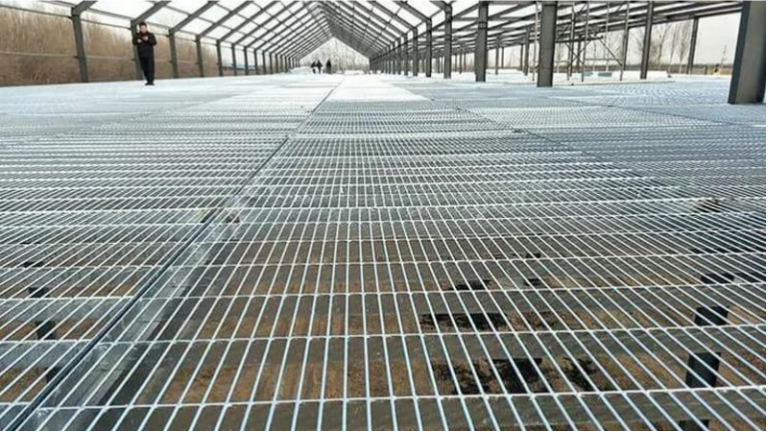
Rethinking Flooring in Demanding Environments
Industrial sites such as factories, power plants, and chemical facilities require flooring systems that can handle more than just weight. Oil spills, water accumulation, debris buildup, and constant foot traffic all create risks that can slow down operations or lead to accidents.
Steel grating addresses these challenges by combining open design geometry with high-strength materials, creating a surface that performs reliably under pressure while actively improving site conditions.
Key Advantages of Steel Grating
1. Efficient Drainage and Debris Management
One of the most significant advantages of steel grating is its open-grid structure. Unlike solid floors, it allows water, oil, and other liquids to pass through easily, preventing surface accumulation.
This built-in drainage capability is essential in environments where liquids are frequently present. It reduces the risk of pooling, which can lead to corrosion, contamination, or hazardous working conditions. At the same time, debris can fall through the grating instead of collecting on the surface, keeping work areas cleaner and more manageable.
2. Enhanced Slip Resistance
Safety is a top priority in any construction or industrial setting. Steel grating is often manufactured with serrated or textured surfaces, which significantly improve traction underfoot.
Even in wet or oily conditions, workers can maintain stable footing, reducing the likelihood of slips and falls. This makes steel grating particularly valuable in industries such as oil and gas, marine engineering, and chemical processing.
3. High Strength-to-Weight Ratio
Steel grating delivers exceptional load-bearing capacity while remaining relatively lightweight compared to solid steel plates. This combination allows it to support heavy machinery, equipment, and personnel without adding unnecessary structural weight.
The reduced weight also simplifies transportation and installation, helping contractors save time and labor during the construction phase.
4. Durability in Harsh Conditions
Industrial environments are often unforgiving, with exposure to moisture, chemicals, and extreme temperatures. Steel grating is typically treated with galvanization or other protective coatings, making it highly resistant to corrosion and wear.
This durability ensures a longer service life, even in demanding conditions, and reduces the need for frequent maintenance or replacement.
5. Versatile Design Applications
Steel grating is not limited to flooring. Its versatility allows it to be used in a variety of structural and functional applications, including:
Walkways and platforms
Stair treads
Trench covers
Ventilation panels
Mezzanine flooring
This adaptability makes it a preferred choice for engineers and contractors who need flexible solutions across different parts of a project.
6. Cost-Effective Over the Long Term
Although the initial investment in steel grating may be higher than some traditional materials, its long-term value is undeniable. Reduced maintenance, extended lifespan, and improved safety all contribute to lower overall project costs.
By minimizing downtime caused by repairs or accidents, steel grating helps keep operations running smoothly and efficiently.
Applications Across Industrial and Construction Sectors
Steel grating is widely used in projects where performance and safety cannot be compromised:
Industrial Facilities: Provides durable flooring for factories, refineries, and processing plants
Infrastructure Projects: Used in bridges, drainage systems, and public walkways
Energy Sector: Ideal for power plants, offshore platforms, and renewable energy installations
Commercial Buildings: Applied in service areas, parking structures, and maintenance zones
Water Treatment Plants: Ensures proper drainage and safe access in wet environments
Building Safer and Smarter Workspaces
Modern construction increasingly prioritizes materials that serve multiple functions without adding complexity. Steel grating fits perfectly into this approach by combining structural support, safety enhancement, and environmental adaptability in a single solution.
Its ability to improve drainage, reduce hazards, and withstand tough conditions makes it a smart investment for any project that demands reliability and performance.
Conclusion
Steel grating has become an essential component in industrial construction, offering a practical solution to some of the most common challenges faced on-site. From improving drainage and slip resistance to delivering long-term durability, it plays a vital role in creating safer and more efficient working environments.
For high-quality steel grating solutions designed to meet diverse industrial needs, adtomall provides dependable products that support both safety and performance. Choosing the right materials today ensures stronger, safer, and more efficient projects tomorrow.