

 Live Chat


ADTO News
The Strategic Advantages of Aluminium Formwork in Modern Construction
In today's fast-paced structural engineering landscape, developers and contractors face constant pressure to shorten project timelines, reduce labor overhead, and minimize environmental impact. Traditional timber shuttering and heavy steel forms are increasingly being replaced by engineered aluminium formwork systems. Designed for monolithic concrete casting, aluminium formwork offers an unmatched combination of structural speed, durability, and cost efficiency for residential and commercial developments.
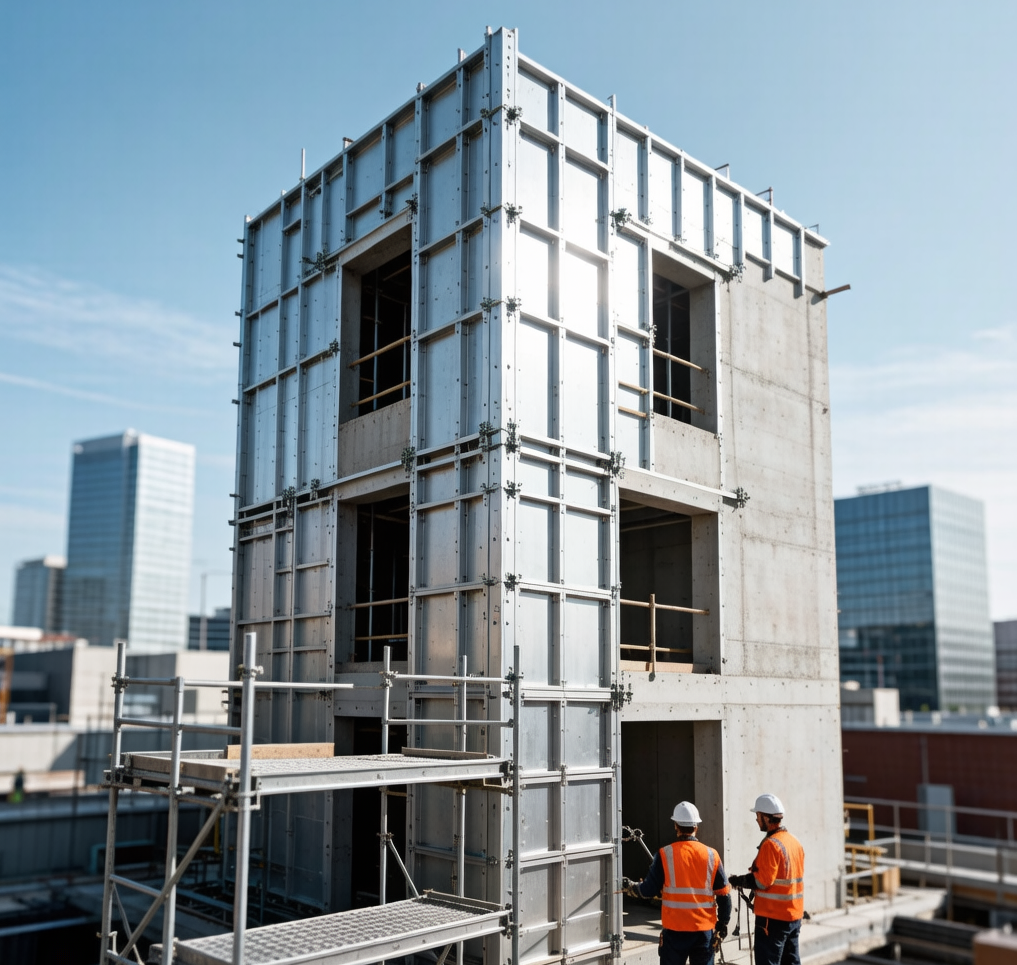
5 Key Advantages Driving the Adoption of Aluminium Formwork
Rapid Construction Speed & Shortened Cycle Times: Aluminium formwork enables simultaneous monolithic pouring of walls, slabs, beams, and staircases in a single operational step. This streamlined workflow reduces floor-to-floor cycle times from the standard 10–12 days required by conventional timber down to a rapid 4 to 5 days per floor. On a 30-story residential tower, this accelerated speed can compress total structural build schedules by 3 to 4 months, yielding substantial savings in equipment rental and financing interest.
Exceptional Reusability & Superior Long-Term ROI: High-grade extrusion alloy forms can withstand the physical demands of repetitive concrete pouring without warping or losing dimensional accuracy. While traditional plywood forms deteriorate after 10 to 15 uses, quality aluminium formwork panels easily achieve 250 to 300 repetitions with proper care. This extreme reusability reduces overall formwork cost per square meter by up to 60% over the lifecycle of large-scale housing projects.
Lightweight Construction & Reduced Crane Dependency: Weighing approximately 18 to 25 kg/m², individual aluminium formwork components can be easily handled, positioned, and stripped manually by a small team of workers without heavy machinery. This crane-independent erection process frees up tower cranes for other critical site tasks, minimizes lifting hazards, and keeps crew fatigue low on high-rise job sites.
Superior Concrete Finish & Reduced Plastering Expenses: The precision engineering and non-porous faceplates of aluminium forms produce a smooth, fair-faced concrete finish that meets strict architectural tolerances. By eliminating the honeycomb defects common in timber forms, contractors can bypass costly, labor-intensive wall plastering entirely—applying thin skim coats or direct paint instead. On major urban housing developments, such as mass housing projects using MIVAN-style aluminium systems across Asia and the Middle East, this reduction in post-casting masonry work routinely slashes total finishing costs by 15% to 20%.
Sustainability & High Scrap Value in Circular Economies: Construction timber accounts for significant deforestation and job site waste. In contrast, aluminium formwork is 100% recyclable, generating zero timber waste on-site and earning credits under green building certification systems such as LEED and BREEAM. Furthermore, at the end of a formwork system's operational lifecycle, the panels retain up to 70% to 80% of their initial material scrap value, providing a tangible asset return for contracting firms.
Accelerate Your Structural Projects Today
Integrating engineered aluminium formwork into your construction operations is a proven strategy to boost job site productivity, lower labor costs, and achieve superior concrete quality.
Contact our formwork engineering team today to request technical product catalogs, custom panel design layouts, and a competitive quote for your next high-rise or housing project.